
 29 June 2026
 Share
Share
1
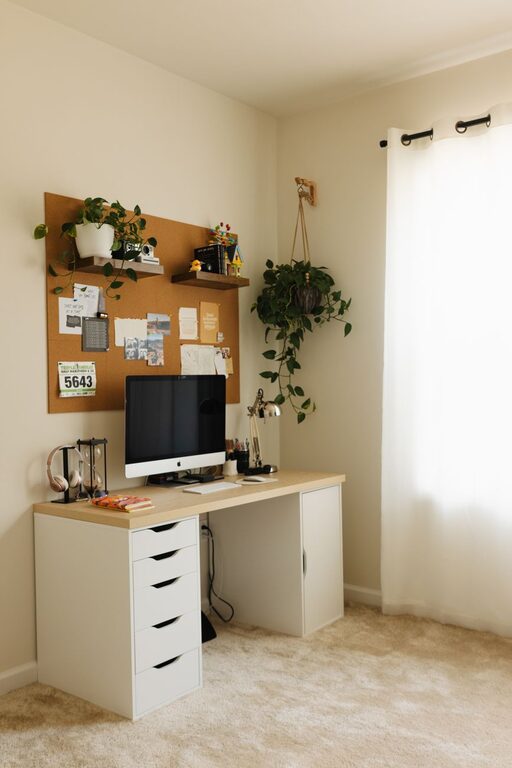
Creating a home office that is both cozy and productive is essential for those who work remotely or spend significant time on tasks at home. A well-designed space can boost your focus, inspire creativity, and help maintain a healthy work-life balance. In this post, we’ll explore practical tips to help you set up a home office that feels inviting and supports your productivity.
Picking the right spot for your home office is the first step toward creating a productive space. Ideally, select a quiet area with minimal distractions, preferably away from high-traffic parts of your home. Some popular options include a spare bedroom, a corner of the living room, or even a dedicated nook.
Consider natural light when choosing the location. A well-lit space not only reduces eye strain but enhances mood and energy levels. If natural light is limited, look for a spot where you can add artificial lighting comfortably.
Comfort is key to maintaining productivity during long work sessions. Invest in an ergonomic chair that supports your back and encourages good posture. Adjustable chairs are particularly helpful because they allow you to find the most comfortable height and angle.
Pair your chair with a desk that fits your space and working style. Whether it’s a large desk for multiple monitors or a compact table for a laptop, make sure there is enough surface area for your essentials without feeling cluttered.
Proper lighting is crucial for a cozy and effective workspace. As much as possible, maximize natural sunlight by positioning your desk near windows. However, avoid glare directly on your screen, which can cause eye fatigue.
For evening work or dim areas, use a combination of task lighting and ambient lighting. Desk lamps with adjustable brightness and color temperature can reduce strain and create a warm atmosphere. Warm white or soft yellow lights often feel cozier than harsh white LEDs.
Clutter can quickly reduce productivity and make a space feel chaotic. Use storage solutions like shelves, filing cabinets, and desk organizers to keep paperwork and supplies in order.
Try to keep only essential items on your desk to maintain a clean working surface. Regularly declutter your workspace to remove distractions and keep things tidy.
Adding personal touches to your home office can make the space more welcoming and enjoyable. Consider incorporating a few favorite items like photos, artwork, or plants.
Plants are especially beneficial because they purify the air and add a calming green touch. Choose easy-to-care-for plants such as succulents or snake plants, which require minimal maintenance.
Distractions can interrupt your flow and lower productivity. Depending on your home environment, you may want to use noise-canceling headphones or play soft background music to block out disruptive sounds.
If possible, set boundaries with household members about your working hours to limit interruptions. A sign on the door or agreed-upon routines can help maintain a quiet environment.
Efficient technology is essential for a productive home office. Ensure your computer, internet connection, and accessories like printers or scanners meet your work needs.
Organize cables using clips or sleeves to reduce tangling and clutter. Position your monitor at eye level to avoid neck strain, and consider using a separate keyboard and mouse for greater comfort.
A cozy and productive home office also supports your work habits. Establish a daily routine that includes regular breaks and a clear start and end time for your workday.
Avoid using your workspace for leisure activities if possible. Keeping work and relaxation areas separate helps your mind switch between focus and rest more easily.
—
Designing a cozy and productive home office doesn’t require a large budget or major renovations. Small changes like choosing the right chair, improving lighting, and keeping your space organized can make a big difference in how you feel and work. By creating a space tailored to your needs, you can enjoy greater comfort and efficiency every day.
Take time to evaluate what works best for you and make adjustments as needed. Your ideal home office is out there — cozy, inviting, and perfectly suited to help you get the job done.
