 29 June 2026
 Share
Share
1
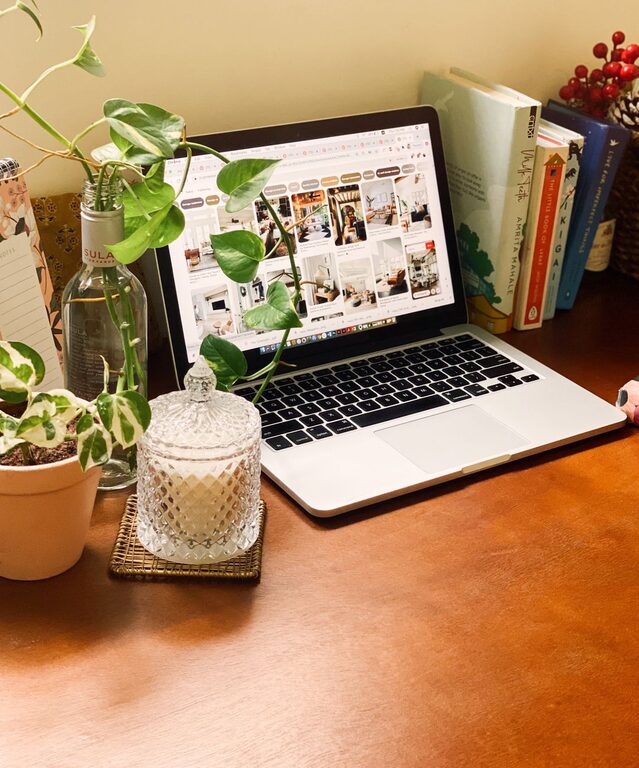
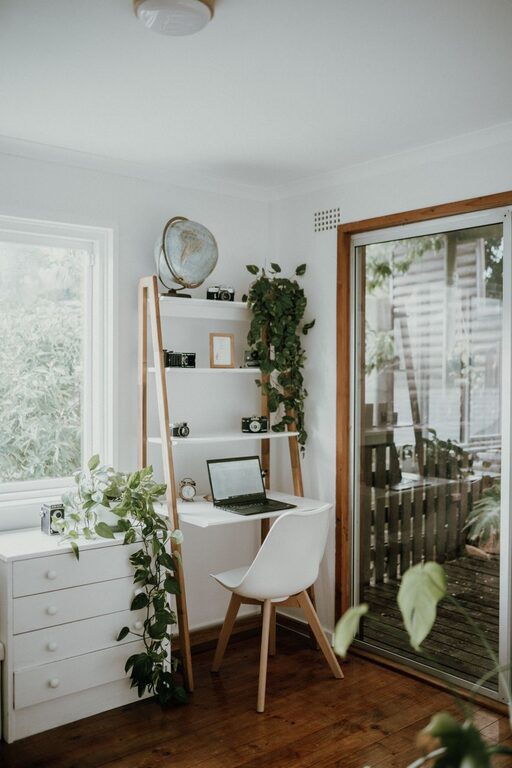
Creating a cozy and inviting home workspace is essential for boosting productivity and maintaining a positive mindset while working from home. Whether you have a dedicated room or a small corner in your living space, making your workspace comfortable and personalized can make a big difference. Here are some helpful tips to design a workspace that feels both functional and welcoming.
Finding the ideal spot for your home office is the first step. Select a space with good natural light, as sunlight can improve mood and focus. If natural light isn’t abundant, choose a quiet area where you can minimize distractions. A corner by a window or a nook in a spare room often works well.
If your home is busy, try using noise-canceling headphones or placing your workspace away from noisy areas like the kitchen or living room. Adding a soft rug or curtains can also help absorb sound.
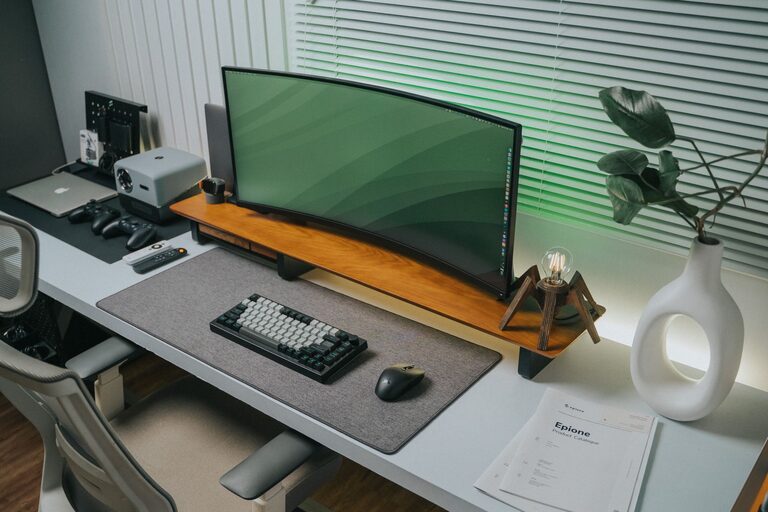
Comfort is key for long hours spent working. A supportive chair with adjustable height and good lumbar support protects your posture and reduces strain. Pair it with a desk that fits your needs—whether that means ample surface space for multiple monitors or a smaller setup for a laptop.
Setting up your desk ergonomically can prevent discomfort. Your monitor’s top should be at eye level, and your feet should rest flat on the floor or a footrest. Keep your wrists straight and elbows close to your body while typing.
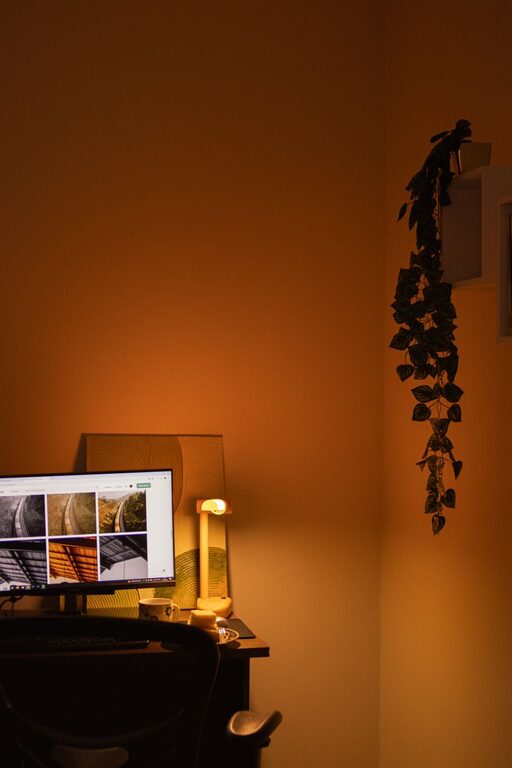
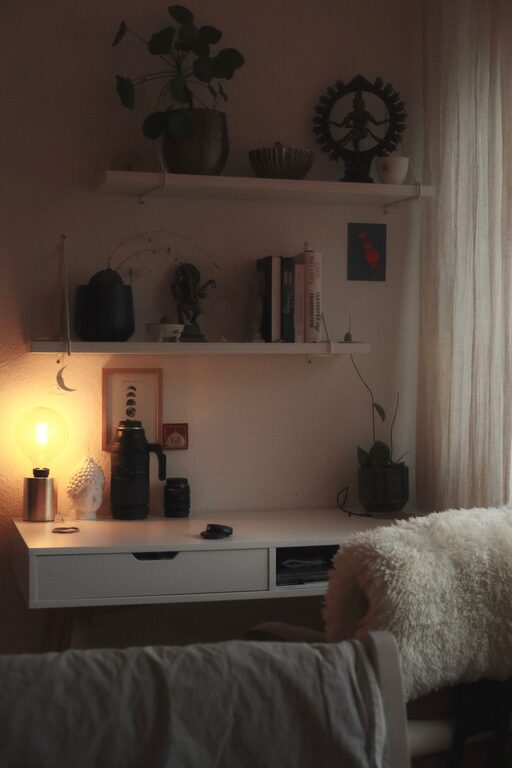
Personalizing your workspace makes it feel inviting and can enhance creativity. Add items that inspire you—like artwork, plants, or family photos. Choose colors that make you feel calm and focused; soft blues and greens are popular for work spaces.
Plants not only brighten your space but also improve air quality. Low-maintenance options like succulents, pothos, or snake plants are great choices.
Clutter can be distracting and stressful. Use organizers, shelves, and drawers to keep your supplies tidy and within reach. Label containers or use boxes to categorize documents and tools.
Try a quick 5-minute cleanup at the end of each day to maintain order. Clearing your desk helps start the next work session fresh and focused.
Proper lighting reduces eye strain and sets a comfortable ambiance. Combine natural light with task lighting, like a desk lamp adjustable for brightness and angle. Avoid harsh overhead lights or glare on your screen.
A workspace that’s too warm or too cold can be uncomfortable. Use fans, heaters, or open windows to maintain a pleasant temperature. Fresh air keeps you alert and energized.
Keep your workspace free from unrelated items such as television remotes or excess personal devices. Consider apps or settings that limit digital distractions when working.
If space allows, create a small spot for breaks—like a cozy chair or a cushion on the floor. Stepping away from your desk for short periods can boost productivity and reduce fatigue.
Some people find background music or ambient noise helpful. Experiment with playlists that enhance focus or use white noise machines. Aromatherapy with subtle scents like lavender or citrus can create a calming environment.
Your needs may change, so consider a setup that can adapt. A standing desk converter or movable storage can give you flexibility. Being able to adjust your workspace keeps things fresh and comfortable.
—
By thoughtfully combining comfort, organization, and personal style, you can create a home workspace that invites productivity and well-being. Starting with these tips will help you craft a space that not only works well but also feels like your own cozy retreat during work hours.