 29 June 2026
 Share
Share
1
Creating a relaxing home workspace is essential for maintaining productivity and well-being, especially as more people work remotely. A thoughtfully designed area can help reduce stress, increase focus, and improve your overall work experience. In this post, we will explore practical tips for setting up a home workspace that fosters calm and efficiency.
Working from home offers flexibility but can also blur the lines between work and personal life. Without a designated, peaceful area, distractions and stress can build up, leading to burnout and decreased productivity. A relaxing workspace helps create boundaries and signals to your brain that it’s time to focus and be productive.
The first step in creating your ideal workspace is choosing the right spot in your home.
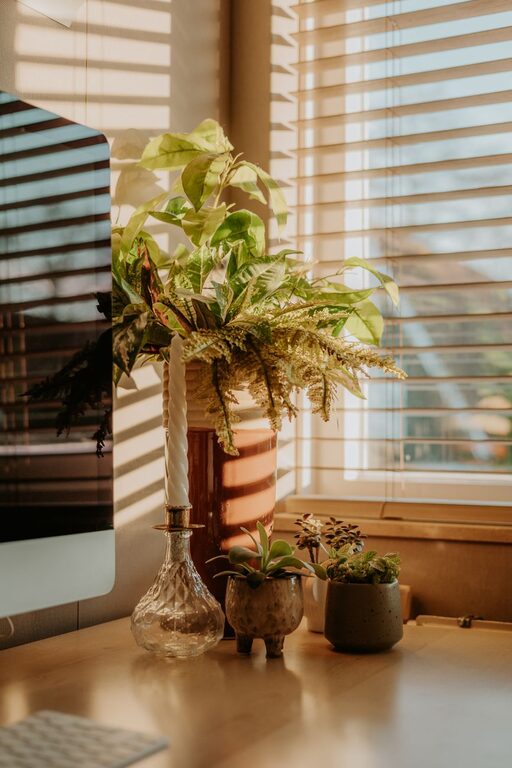
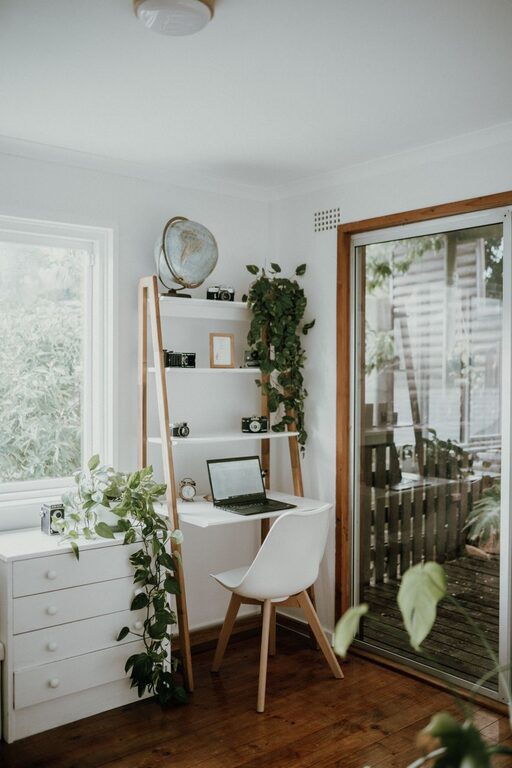
Natural light boosts mood and energy levels, making it a great addition to any workspace. Try to position your desk near a window or in a bright room.
Select a quiet area away from household noise like televisions or kitchen activity. If that isn’t possible, consider noise-canceling headphones or ambient sound machines to help maintain focus.
Privacy helps reduce interruptions. If you share your living space with others, select a corner, nook, or room where you can work uninterrupted.
Comfort influences how long and how well you can work, while functionality supports efficient workflow.
Choose an ergonomic chair that supports good posture and a desk at the right height. This reduces physical strain and helps prevent fatigue.
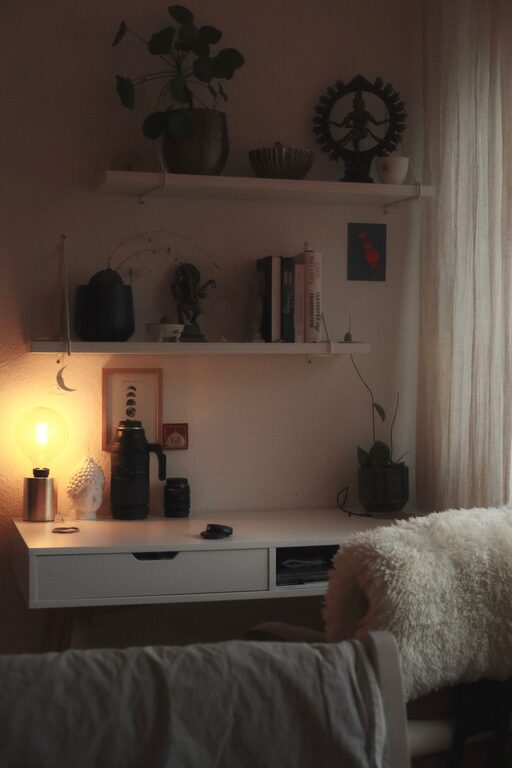
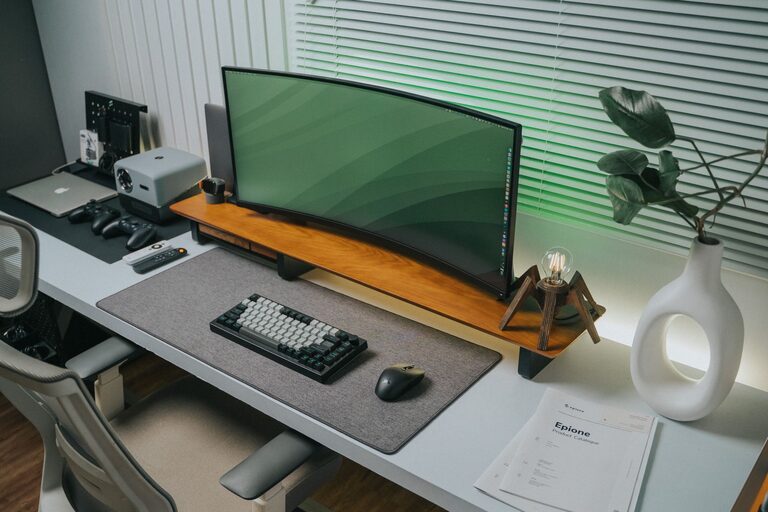
Clutter can be distracting and stressful. Use organizers, shelves, and drawers to keep supplies tidy and within reach. A clean desk invites clearer thinking.
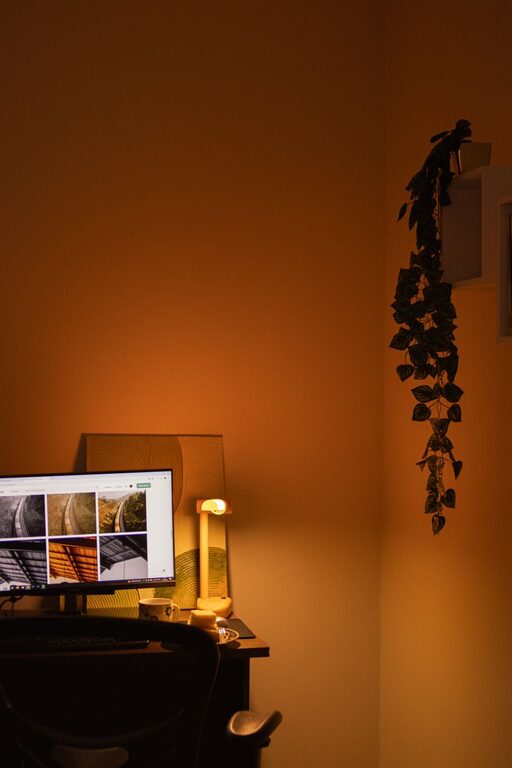
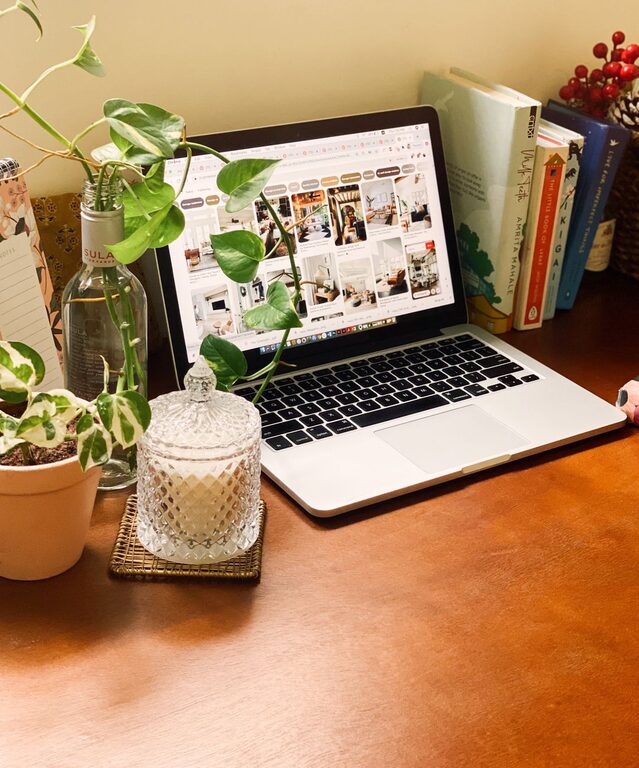
Add a few personal touches like plants, artwork, or meaningful objects. These can reduce stress and make the space feel welcoming, but avoid overcrowding.
Incorporate elements that promote calm and help maintain concentration during work hours.
Colors like soft blues, greens, or neutral tones can create a peaceful environment. Avoid overly bright or distracting colors.
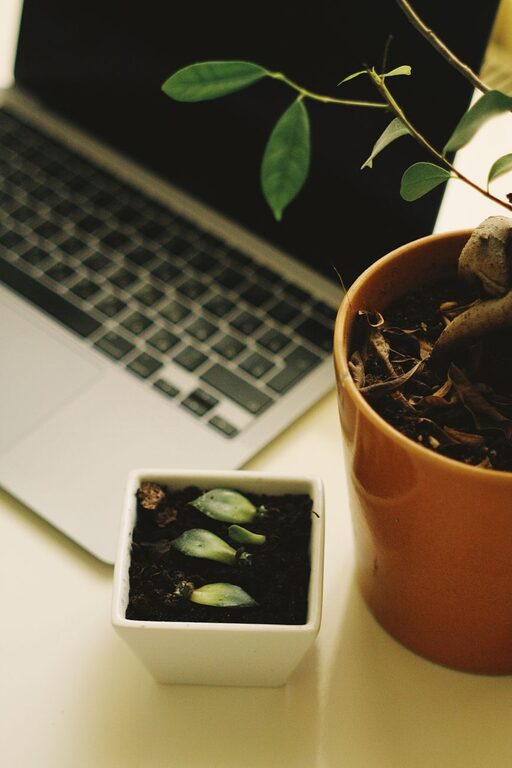
Indoor plants improve air quality and bring a bit of nature indoors, which can reduce stress and boost your mood.
A mix of natural light and adjustable artificial lighting ensures comfort throughout the day. Consider a desk lamp with adjustable brightness for late work sessions.
Your workspace is only part of creating a productive and relaxing workday. Pair it with good habits.
Stand up, stretch, or take short walks to recharge and reduce eye strain.
Define your work hours and communicate them with household members to minimize interruptions.
Incorporate short meditation or deep-breathing exercises to stay calm and focused.
Using technology wisely helps maintain flow and reduce frustration.
Keep cords organized to prevent tangling and clutter.
Invest in quality devices like a good headset, keyboard, and mouse to avoid discomfort and technical difficulties.
Turn off non-essential alerts to minimize distractions during work blocks.
A relaxing home workspace tailored to your needs can make a significant difference in how you feel and perform while working. By choosing the right location, designing for comfort, adding calming touches, and practicing healthy habits, you can boost both productivity and well-being. Take time to create a space that supports you—your work and your wellness will thank you.