 29 June 2026
 Share
Share
1
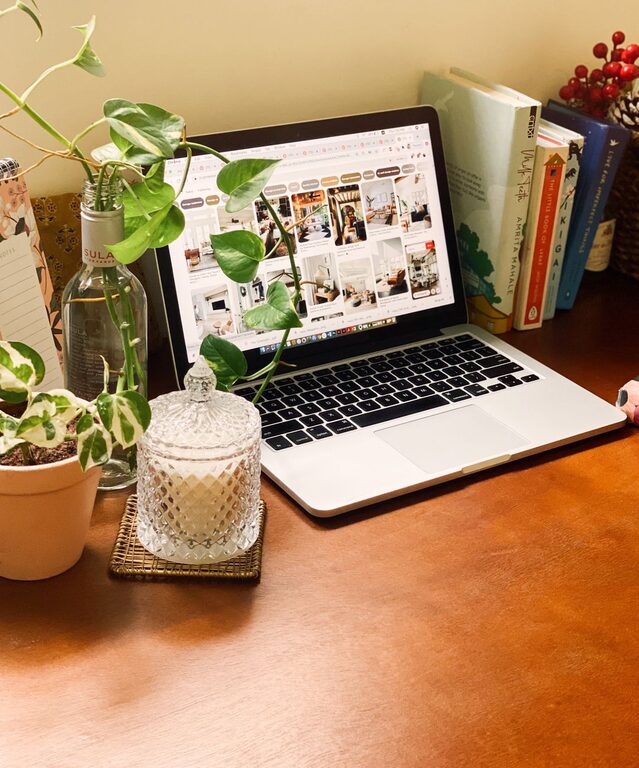
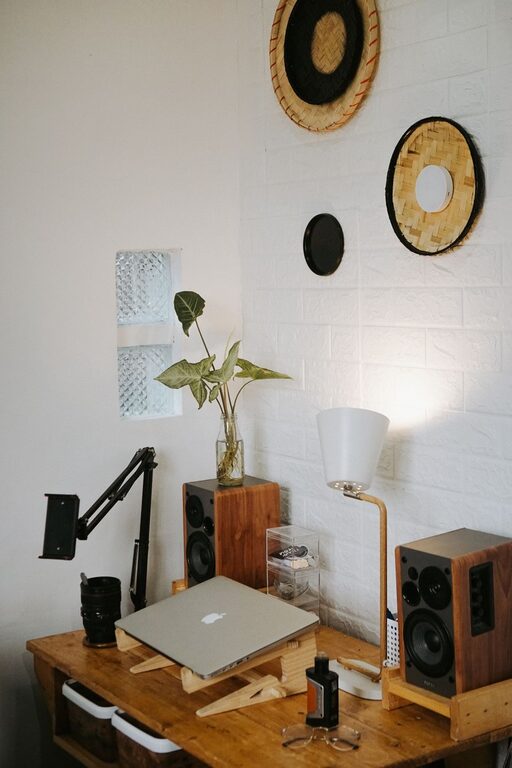
Creating a cozy and functional home office is essential for anyone working remotely or spending significant time at home. A well-designed workspace can boost your productivity, reduce stress, and even improve your overall well-being. Whether you have a dedicated room or a small corner, making the best use of your space ensures a pleasant and efficient environment. Here are some helpful tips to design a home office that meets your needs.
Finding the right spot for your home office is the first step. Ideally, select a quiet area of your home where you won’t be easily distracted by household activities.
– Natural light: Position your desk near a window if possible. Natural light helps improve mood and reduce eye strain.
– Away from noise: Avoid places near high-traffic areas like the kitchen or living room.
– Privacy: If you have family or roommates, choose a space that allows for privacy during meetings or focused work.
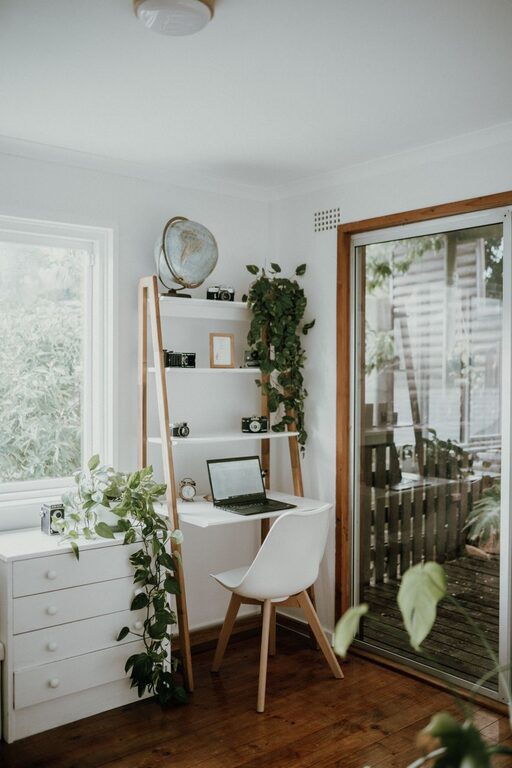
Even if space is limited, carving out a dedicated corner can create a mental distinction between work and relaxation.
Your furniture plays a major role in both comfort and productivity.
– Ergonomic chair: A supportive chair with adjustable height and lumbar support prevents back pain during long working hours.
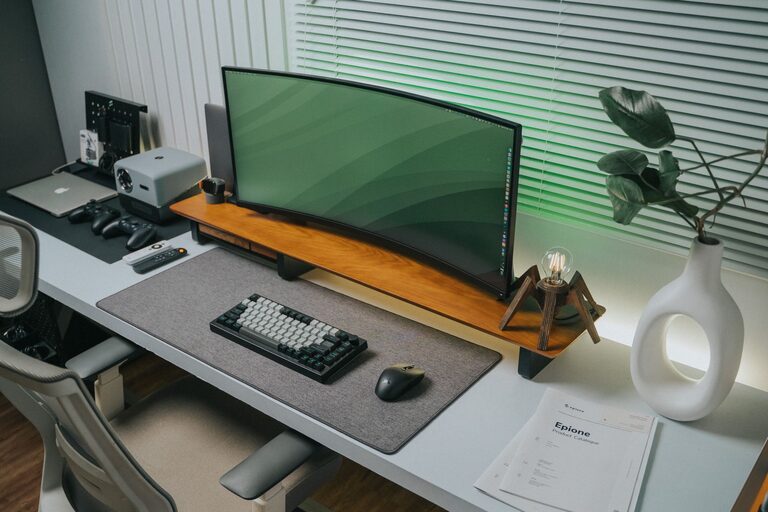
– Functional desk: Choose a desk that fits your needs—enough space for a computer, notebooks, and accessories without feeling cluttered.
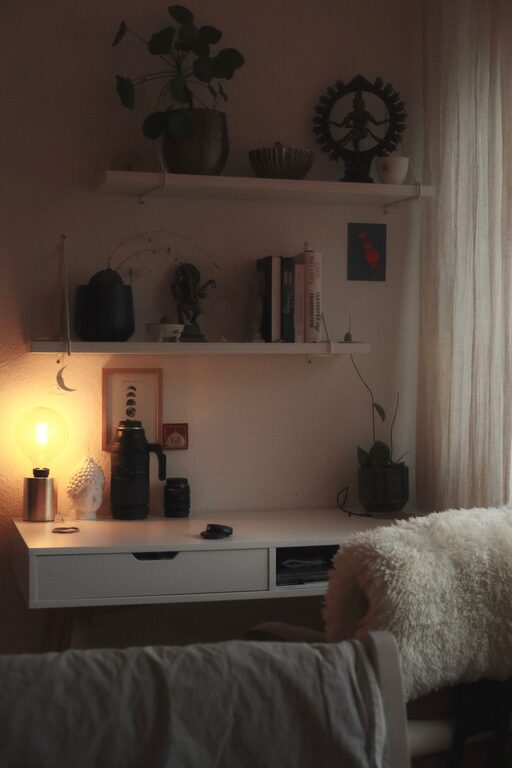
– Storage solutions: Use shelves, drawers, or filing cabinets to keep your workspace organized and items within easy reach.
When furniture fits your body and work style, you can focus better and avoid discomfort.
Adding personal touches makes your office feel inviting and motivating.
– Colors and decor: Use calming colors like soft blues, greens, or neutrals. Add artwork or photos that inspire you.
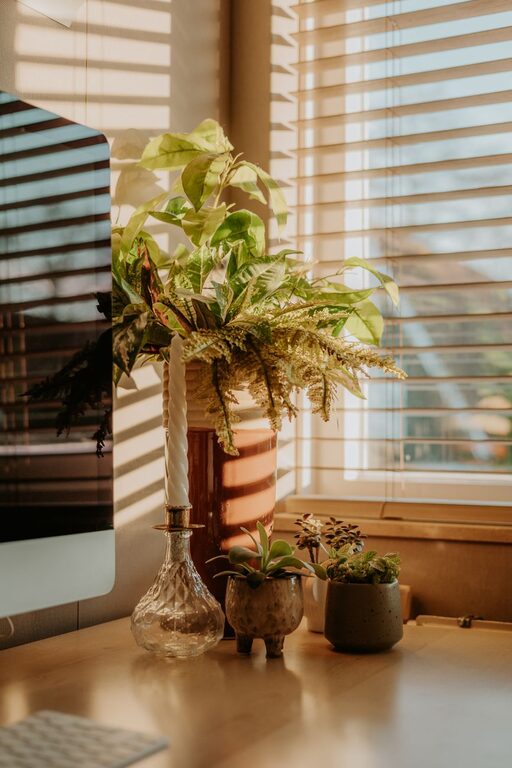
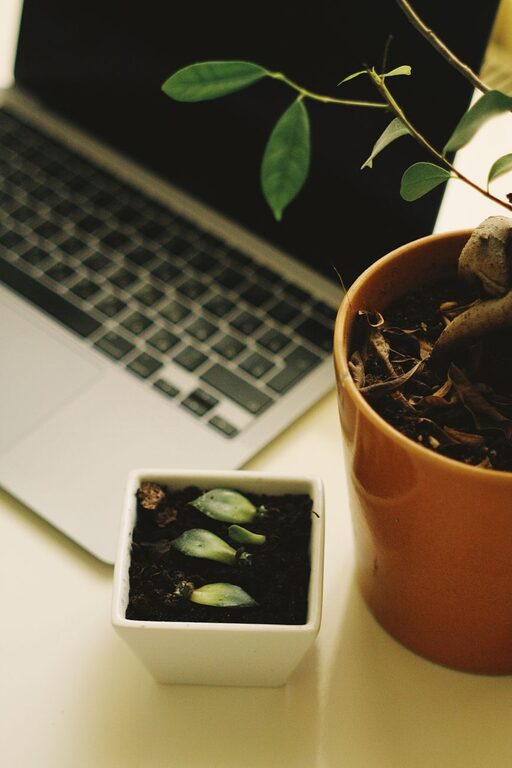
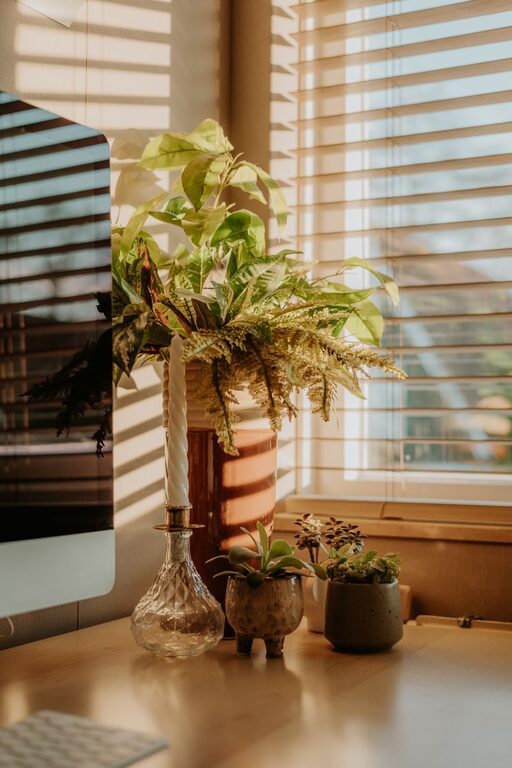
– Plants: Indoor plants improve air quality and add a refreshing natural element.
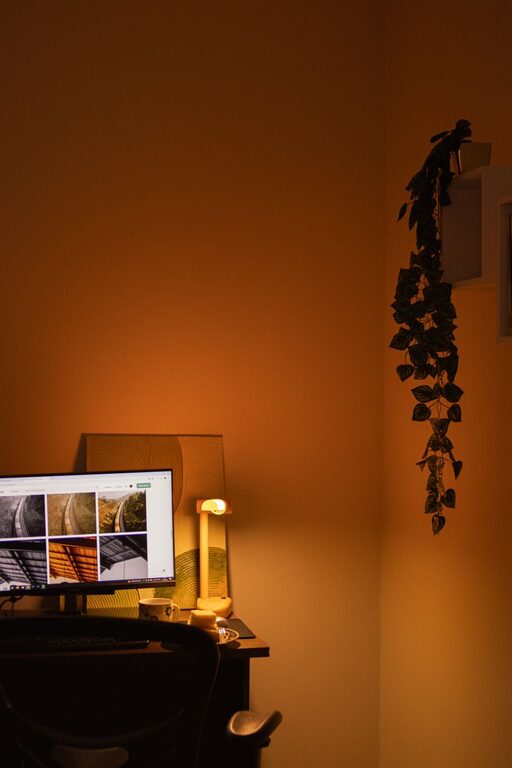
– Lighting: Use a desk lamp with adjustable brightness to reduce eye strain and create a warm atmosphere especially in the evenings.
Decorate with items that make you happy but avoid over-cluttering, which can be distracting.
A tidy workspace encourages clear thinking and efficiency.
– Declutter regularly: Remove unnecessary papers and items from your desk daily.
– Use organizers: Desk trays, pen holders, and cable management solutions keep tools orderly.
– Digital organization: Backup important documents and maintain files in clearly labeled folders on your computer.
An organized office saves time and reduces stress when you can quickly find what you need.
Having the right technology setup helps streamline your work.
– Reliable internet: Ensure strong internet connectivity to avoid interruptions.
– Quality equipment: Invest in a good monitor, keyboard, and mouse to improve comfort and productivity.
– Headphones: Noise-canceling headphones are useful for calls or concentrating in noisy environments.
Keep cables hidden and devices charged to maintain a clean, efficient workspace.
If space allows, designate areas or elements that encourage breaks and relaxation.
– Comfortable chair or small sofa: Allows you to step away from your desk for short rests.
– Refreshment station: Place a water bottle, coffee, or snack nearby to stay hydrated and energized.
– Movement space: Allow room for stretching or light exercises during breaks.
Taking regular breaks improves focus and reduces fatigue.
Your home office should promote good health habits.
– Proper posture: Adjust your chair and desk height to keep wrists and feet supported.
– Eye care: Follow the 20-20-20 rule—every 20 minutes, look at something 20 feet away for 20 seconds.
– Ventilation: Keep your space well-ventilated to maintain fresh air.
Combining design with healthy habits contributes to your long-term wellness.
Designing a cozy and functional home office doesn’t require a large budget or space. Thoughtfully choosing your location, furniture, decor, and organization methods can create an inspiring environment that supports your work and well-being. Start small by implementing a few of these tips and adjust your workspace as your needs evolve. Your home office should be a place where productivity and comfort go hand in hand.